Digitising Vessel Operations for Smarter, Safer Port Management
Field: Maritime | Location: Singapore
How can maritime teams improve operational visibility when vessel activities are managed across multiple systems, paper-based checklists, and disconnected communication channels?
That was the operational reality behind this vessel operations platform, a digital transformation project delivered by VINOVA.
Client Story
Our client operates a major port in Singapore, supporting vessel operations and the movement of cargo across a complex maritime environment. As operational activities grew increasingly complex, existing processes became difficult to manage efficiently, creating the opportunity to build a more connected, mobile-first way of managing vessel operations.
About the Platform
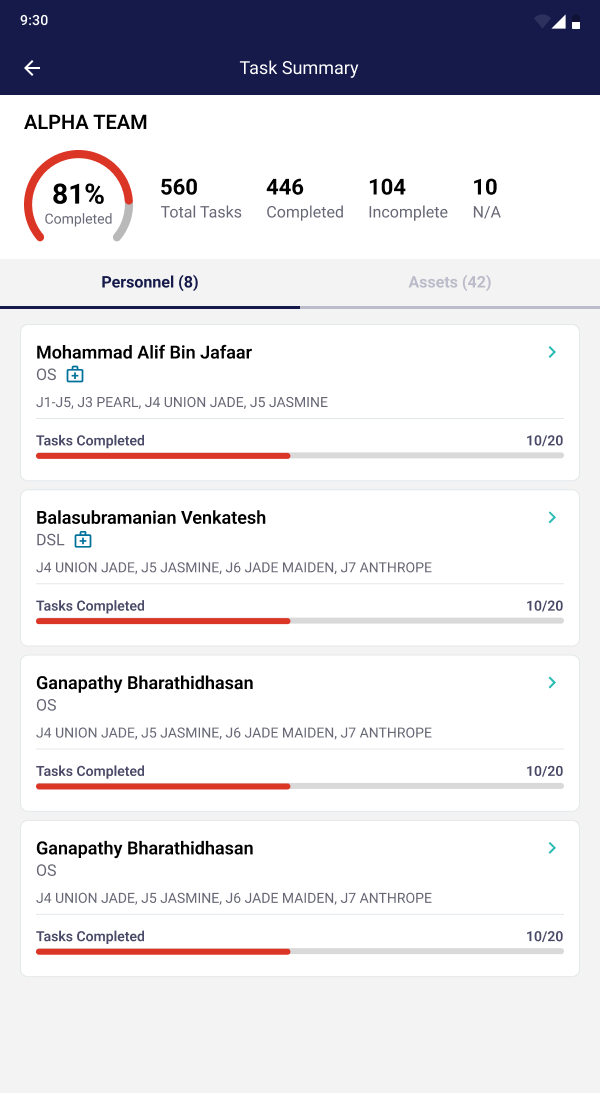
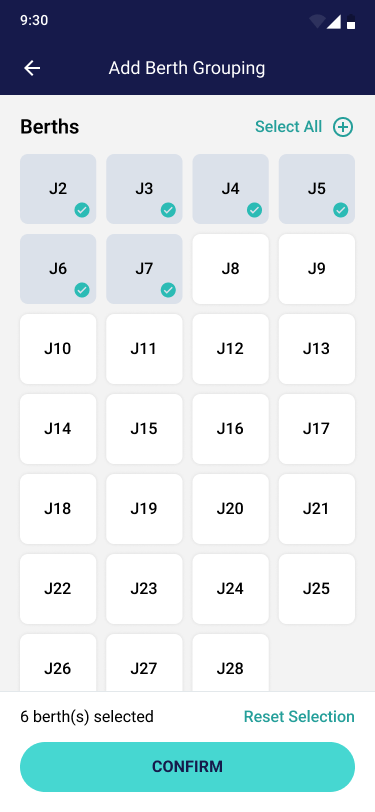
The Platform is a centralized, mobile-first system designed to digitize vessel operations and safety management for field operations staff, the frontline personnel who coordinate tasks across berths, terminals, and vessel types under tight time and safety constraints. Rather than adding another standalone system, it was designed to connect operational tasks, communication, data, and existing port systems in one ecosystem.
VINOVA partnered with the client to design and build the Platform, replacing fragmented tools and paper checklists with one connected system that field operations staff can use directly from the field.
Business Goal
Replace fragmented, manual operations with one configurable, mobile-first platform that gives field operations staff and their managers a shared, real-time view of every task, every vessel, and every escalation.
Project Highlights
- Centralized Mobile Operations Platform
- Configurable Workflow Engine
- Real-Time Field Communication
- Cloud-Native Architecture on AWS
- Full Audit Trail and Traceability
- Agile Delivery on a Safety-Critical System
Key Challenges
- Fragmented Systems, Duplicate Data — Field operations staff were re-entering the same information across multiple systems by hand, producing inconsistent records and wasted time.
- Manual, Untrackable Processes — Field checklists existed only on paper, with no digital trail to confirm what was done, when, or by whom.
- No Field-Level Support — When specialists needed guidance or escalation support, the only option was to travel back to an office location, often far from the vessel or berth in question.
- Rigid, One-Size-Fits-All Task Structures — Task workflows were not adapted to vessel type or task category, forcing every job into the same generic process regardless of what it actually required.
- Communication Gaps and Delayed Escalation — Team leaders and managers had no real-time visibility into field activity, which slowed incident response and status updates.
Our Solutions
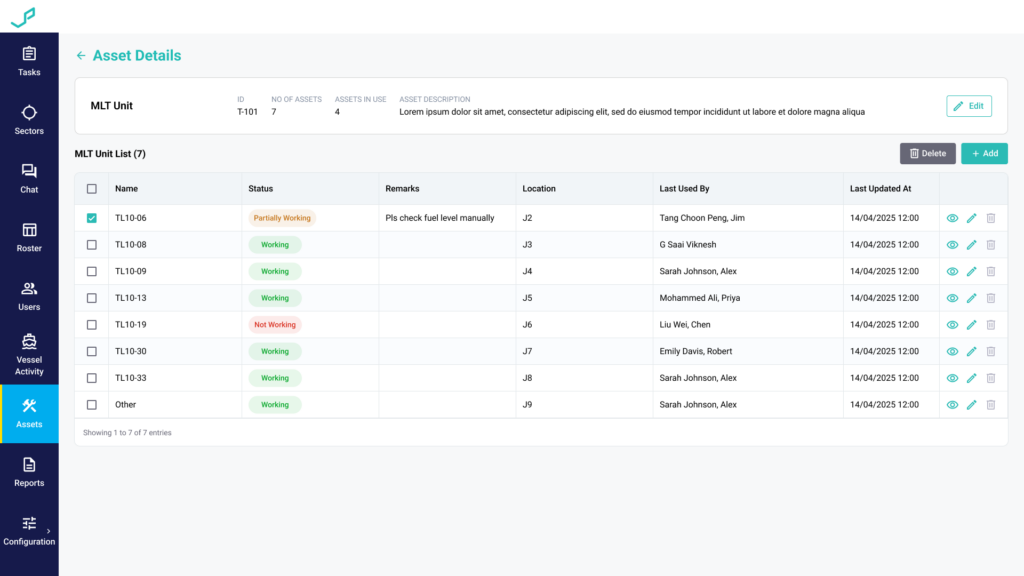
- Centralized Operations — The Platform replaces multiple disconnected systems with one mobile platform, removing duplicate data entry and giving every stakeholder a consistent, accurate record of vessel activity.
- Smart Task Management — A configurable workflow engine lets business users set up task assignment, prioritization, routing, and reminders for each vessel type and task category, with real-time status tracking and no code changes required.
- Integrated Communication — Task-linked conversations and configurable notifications keep team leaders and managers informed of operational and safety-critical events as they happen, closing the escalation gap.
- Mobile-First Field Experience — An intuitive, responsive mobile interface lets field operations staff update and manage tasks directly from the field, removing the need to return to a distant office for support.
- Data-Driven Operations — The Platform captures operational data in real time and integrates with existing port systems and third-party services, supporting accurate monitoring, reporting, and informed decision-making.
Our Approach
From design to go-live, VINOVA owned the engagement end to end: design, solution architecture, development (spanning mobile, web, backend, APIs, and microservices), implementation, and maintenance. Delivery ran under Agile Scrum with a 15 to 20 person team across 12 to 16 months of development. Under a dual-track collaboration model, the client’s Product team held ownership of business alignment and end-user value, while VINOVA’s project team owned functional consulting, secure and scalable delivery, and on-time execution.
The platform is currently in its ongoing maintenance phase: VINOVA continues supporting it through 12 months of maintenance, ensuring stability, issue resolution, and ongoing system support after implementation.
Technology Stack
| Layer | Stack |
| Backend | Java, Spring Boot, Microservices, Backend-for-Frontend (BFF) |
| Frontend | Angular |
| Deployment | AWS Cloud, Amazon ECS Fargate, containerized architecture |
What Sets This Build Apart
- Configurable Workflow Engine — Business users can adjust task workflows, triggers, routing, reminders, notifications, and approvals directly, without engineering involvement.
- Comprehensive Audit Trail — Every task update is logged with timestamp, user, and before/after values, giving the client full traceability for safety-critical operations.
Highlights & Achievements
The platform moved vessel activity management from fragmented and manual processes toward a connected, mobile, and data-driven operational environment:
- One centralized platform replacing multiple standalone systems and disconnected checklists
- Real-time operational updates in place of static, paper-based records
- Mobile-first field operations, giving field operations staff task support without a trip back to the office
- Configurable task workflows tailored to vessel type and task category
- Integrated communication connecting field staff, team leaders, and managers
- Connected systems and data, linking the Platform with existing port systems and third-party services
- Better operational visibility, with a full audit trail across every task update
The Takeaway
For maritime organizations, digital transformation is not simply about replacing paper. It is about connecting people, tasks, systems, and data where operations actually happen.
VINOVA partners with maritime and logistics organizations across Singapore and the region to design operational systems built for the realities of the field: secure, configurable, and ready to scale.