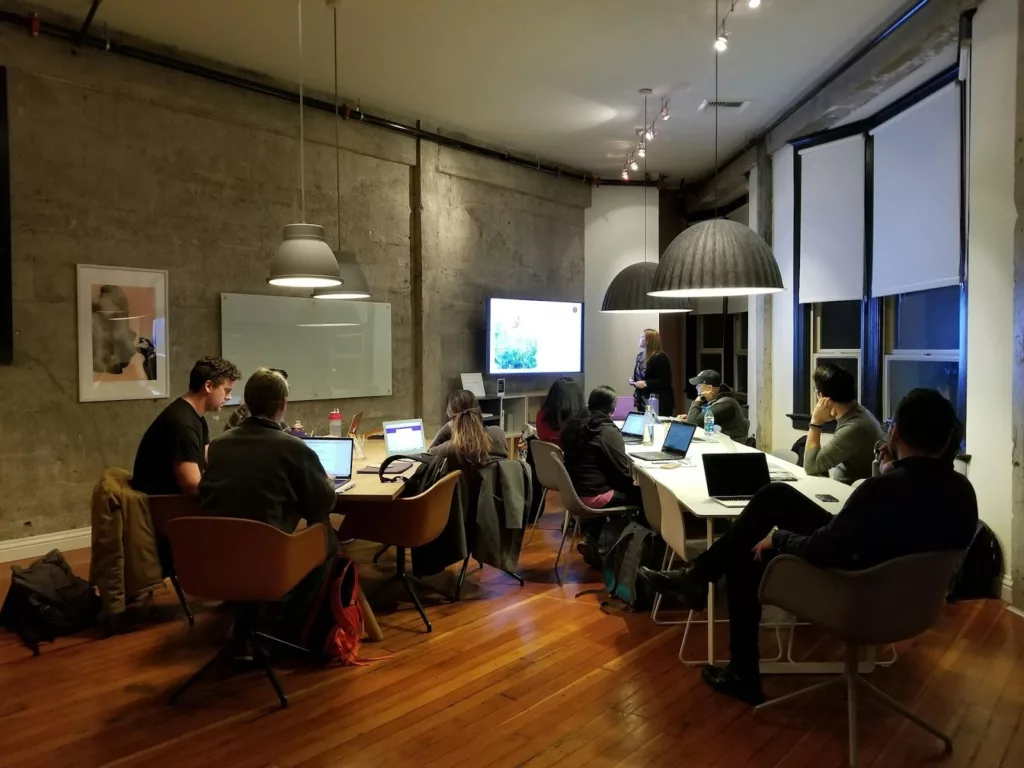
Photo by Product School on Unsplash
Company culture used to grow naturally. People worked in the same space, picked up habits from one another, and slowly figured out how things were done. You did not need to explain it much because everyone could feel it.
Hybrid work changed that.
Now teams are spread across homes, offices, cafés, and co-working spaces. Many people rarely see each other in person. For tech startups in Singapore, where teams scale quickly and talent moves fast, culture can disappear just as quickly as it forms.
This is where brand touchpoints quietly start to matter.
Table of Contents
Why Culture Is Harder in Hybrid Teams
When people are not in the same room, small signals get lost. There are fewer casual chats, fewer shared reactions, and fewer moments where new hires can learn just by watching others.
Startups feel this more than big companies. They are hiring fast, changing direction often, and bringing together people from many backgrounds. In Singapore especially, teams are usually a mix of local and international talent, with high competition and short job tenures. That makes it harder to build a strong sense of “this is how we do things here.”
What Brand Touchpoints Really Mean
A brand touchpoint is any moment where someone experiences your company.
It is not just your website or product. Your team experiences your brand every day through the tools they use, the way leaders communicate, and how work is done.
In a startup, common touchpoints include:
- Slack channels and internal chats
- Onboarding decks and welcome emails
- The office or co-working space
- Team events and town halls
- Things like custom printed t shirts from meowprint.sg, meeting formats, and internal updates
Each one sends a message, even if you never planned it to.
How Touchpoints Shape Culture
Culture shows up in everyday behaviour, not in mission statements.
If leaders respond openly in Slack, people feel safe to speak up. If wins are shared, people feel seen. If mistakes are discussed without blame, people learn faster.
These are all touchpoints at work. Over time, they teach people what matters more clearly than any policy document ever could.
The Hybrid Reality in Singapore

Photo by LYCS Architecture on Unsplash
Most startup teams in Singapore now live in a mix of online and offline worlds. Someone might join a meeting from home, come into the office twice a week, and work from a café on Fridays.
When people are spread out like this, they rely on what they see and hear through digital and physical touchpoints to understand the company. That is why consistency matters so much. Without it, everyone ends up with a slightly different picture of what the company stands for.
Digital Touchpoints That Keep Teams Connected
Tools like Slack, Teams, and Notion are not just for getting work done. They shape how people feel about the company.
The tone of messages, how updates are shared, and how easy it is to find information all affect trust and morale. Simple rituals like weekly shout-outs, demo days, or casual check-ins can make remote team members feel included instead of invisible.
Why Physical Touchpoints Still Matter
Even in a digital job, people want something they can see and touch.
Offices, offsites, and town halls give teams a chance to reconnect as people. Small things like notebooks, hoodies, or team shirts help create a sense of belonging that lasts longer than a video call.
These details might seem minor, but they stick with people.
Touchpoints During Onboarding

Photo by Vitaly Gariev on Unsplash
The first week sets the tone.
For hybrid hires, this is especially important because they do not get to absorb culture just by being around others. Welcome emails, intro calls, clear guides, and small gestures all help new people feel part of the team quickly.
A good onboarding experience makes people feel like they joined a community, not just a company.
Keeping Culture as You Grow
As headcount increases, culture can easily get diluted. New hires bring new habits, and the original feel of the company can fade.
Strong brand touchpoints help keep everyone aligned. They reinforce what matters without turning the startup into something rigid or overly corporate.
What Singapore Startups Can Do
You do not need a full rebrand to improve culture.
Start by looking at your existing touchpoints. How do people experience Slack, onboarding, meetings, and the office? Do those experiences match what you say you value?
Fixing a few small gaps often makes a bigger difference than launching a big new initiative. Over time, those small improvements are what keep culture alive in a hybrid team.